

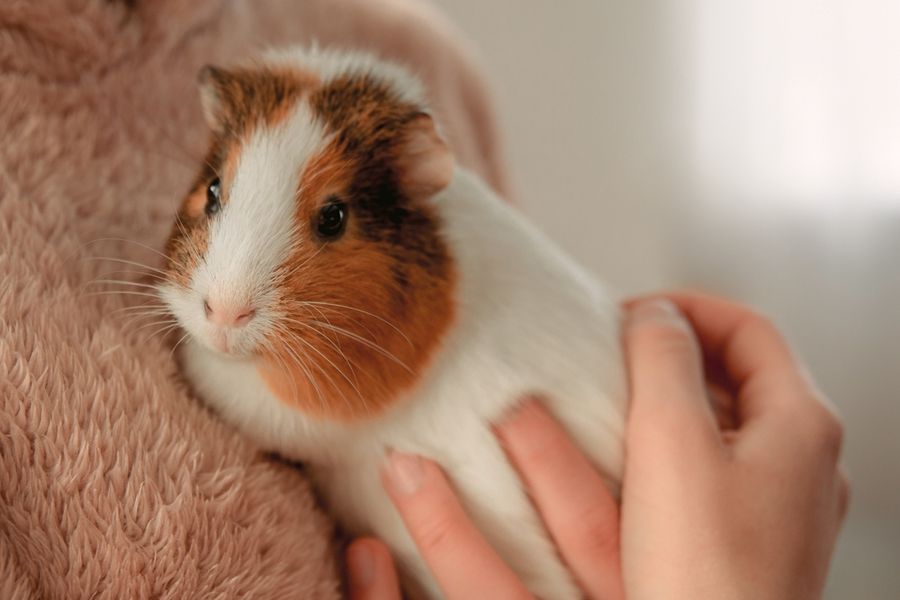
Guinea pigs make rewarding companions for owners of all ages, but they have specific needs around diet, housing, and social interaction. Understanding what good husbandry looks like can help prospective owners know whether they're ready to bring two (yes, not one) home.
Pairs and Herds
Guinea pigs are naturally social, herd-dwelling animals that thrive in the company of others. Housing a single guinea pig in isolation can lead to stress and behavioral problems over time. That said, pairing guinea pigs requires some planning. Two adult males living together can develop serious aggression, including resource hoarding and fighting severe enough to result in the passing of the more submissive animal. A mixed-sex pair or a group of females generally makes for more harmonious cohabitation.
Building the Right Home Environment
Cage size matters far more than many new owners realize. A single guinea pig requires a minimum of 7.5 square feet of enclosure space, with an additional 2 to 4 square feet recommended for each additional animal. The floor of the enclosure must be solid rather than wire, since wire flooring creates serious risks for foot and limb injuries, a condition known as pododermatitis.
Bedding selection is equally important. Cedar shavings should be completely avoided, as the aromatic oils they release can cause chronic upper respiratory problems and significant liver damage. Similarly, wood shavings and chips in general are associated with respiratory irritation. Recycled paper products or fleece liners are the recommended alternatives. Soiled bedding should be refreshed every other day, and the entire cage should receive a thorough cleaning once a week using a half-water, half-vinegar solution.
Temperature control is another area where guinea pigs are particularly vulnerable. They prefer ambient temperatures around 65 to 68 degrees Fahrenheit and are highly susceptible to heat stroke once temperatures rise above 80 degrees. Cages should be positioned away from heat vents, windows with direct sun exposure, and other warm areas of the home.
Feeding Guinea Pigs for Long-Term Health
Timothy hay should form the core of every adult guinea pig's daily diet. Its high fiber content actively supports healthy digestion, and it helps naturally wear down the animals' continuously growing teeth. Alfalfa hay, while fine for young guinea pigs, is not appropriate as a long-term staple for adults because it can contribute to the development of bladder stones over time.
Commercial pellets should supplement hay, but both quantity and quality matter. A suitable pellet should contain around 20% crude protein and 16% fiber. Products that include added nuts, corn, dried fruit, seeds, or colorful crunchy bits should be avoided, as these ingredients do not support a balanced guinea pig diet.
Fresh vegetables and produce are more than just a treat. A 2025 study found that guinea pigs offered 7 to 10 or more varieties of produce were significantly less likely to develop uroliths, pointing to dietary diversity as an active factor in urinary tract health. Leafy greens must be provided daily, so be sure to account for this cost.
The Critical Role of Vitamin C
One nutritional requirement sets guinea pigs apart from most other small pets: they cannot produce vitamin C on their own. They lack the enzyme required for its synthesis, meaning every milligram must come from their diet. A healthy adult guinea pig needs between 10 and 25 mg per kilogram of body weight daily, while animals that are growing, pregnant, nursing, or unwell require 30 mg per kilogram or more.
A deficiency in vitamin C can cause severe illness, making it one of the most preventable yet serious health concerns for this species. Fresh vegetables such as bell peppers and leafy greens are natural sources, and many owners choose to offer these daily to ensure adequate intake. Vitamin C added to water is generally not recommended by veterinarians because the vitamin degrades quickly in liquid form and the animal may not consume enough water to meet its needs.
Routine Health and Enrichment
Beyond diet and housing, guinea pigs benefit from regular veterinary attention from a practitioner experienced with exotic small mammals. Routine checkups allow early detection of dental problems, respiratory illness, and skin conditions, all of which are common in the species. Because guinea pigs are prey animals, they often mask signs of illness until a condition is advanced, making proactive veterinary care especially valuable.
Enrichment is also a meaningful part of daily care. Tunnels, hiding structures, and varied foraging opportunities help reduce stress and encourage natural behaviors. Gentle, consistent handling from an early age helps guinea pigs become comfortable with human interaction, making routine care and health checks easier over time.
Is a Guinea Pig Right For You?
Guinea pigs are often underestimated as low-maintenance pets, but their needs around nutrition, space, social companionship, and vitamin C supplementation require genuine commitment. Understanding the difference between appropriate and harmful bedding, knowing the risks of heat exposure, and recognizing that dietary variety directly supports urinary tract health are all examples of how informed ownership makes a real difference. Prospective and current owners who invest time in learning about proper guinea pig husbandry from veterinary experts are far better positioned to provide a healthy, enriched life for these animals. Resources from institutions like Purdue University, the University of Florida, and the Merck Veterinary Manual offer reliable, evidence-based information that any guinea pig owner would benefit from exploring.