

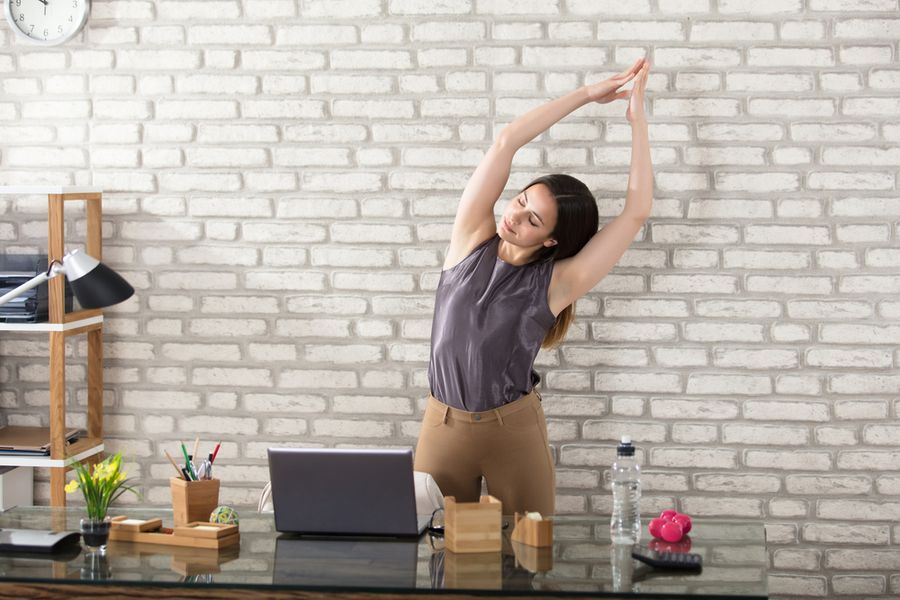
Sitting for long hours is a common part of many desk jobs in the United States, but it can lead to stiffness, low energy, and long-term health concerns. Staying mobile during the workday does not require a full workout or special equipment. Simple changes to your routine can help keep your body active and your mind focused. With a few practical strategies, you can reduce the effects of sitting and build healthier habits without leaving your workspace.
1) Build Movement Into Your Daily Schedule
One of the easiest ways to stay mobile is to plan movement breaks throughout your day. Instead of waiting until you feel stiff, set a timer to remind yourself to stand up every 30 to 60 minutes. These short breaks can include walking around your home or office, stretching your arms, or simply standing for a few minutes. Over time, these small actions add up and help reduce the strain caused by sitting.
You can also connect movement with daily tasks. For example, take calls while standing or walking, or use breaks between meetings to move instead of staying seated. Creating a routine makes movement feel natural rather than forced. When it becomes part of your schedule, it is much easier to stay consistent.
2) Use a Standing Desk or Desk Converter
A standing desk or desk converter can help reduce the amount of time you spend sitting. Models like the VariDesk Pro Plus or the FlexiSpot adjustable desk allow you to switch between sitting and standing during the day. This simple change can improve posture and keep your muscles more active without changing your workflow.
Standing does not mean you need to stay on your feet all day. The goal is to alternate positions. For example, you might sit for one hour and stand for the next. This balance helps reduce pressure on your lower back and keeps your body engaged. Even a few standing sessions each day can make a noticeable difference over time.
3) Keep Simple Stretching Routines at Your Desk
Stretching is a quick way to relieve tension and improve flexibility during work hours. Focus on areas that tend to tighten when sitting, such as the neck, shoulders, hips, and lower back. Simple stretches like neck rolls, shoulder shrugs, and seated twists can be done in just a few minutes without leaving your desk.
It helps to repeat the same stretches daily so they become part of your routine. You do not need a long session to see benefits. Even short, regular stretching can improve comfort and reduce stiffness. Keeping movements gentle and controlled is important to avoid strain and get the most benefit.
4) Incorporate Small Exercise Tools
Adding a few small tools to your workspace can make it easier to stay active. Resistance bands, under-desk pedal machines, or balance cushions are easy to use and do not take up much space. These tools allow you to engage your muscles while continuing to work.
For example, resistance bands can be used for light arm and shoulder exercises during breaks. An under-desk pedal can keep your legs moving while you sit. These simple additions can increase daily movement without requiring a full workout session. They also help break up long periods of inactivity.
5) Focus on Posture and Core Engagement
Good posture plays a key role in staying mobile and avoiding discomfort. Sitting with your back straight, shoulders relaxed, and feet flat on the floor helps reduce strain on your body. Keeping your screen at eye level can also prevent neck pain and improve comfort during long work sessions.
Engaging your core muscles while sitting or standing can make a big difference. This means lightly tightening your abdominal muscles to support your spine. Over time, this habit can improve stability and reduce the risk of back pain. Paying attention to posture may seem simple, but it has a strong impact on overall movement and comfort.
Small Changes Lead to Lasting Movement
Staying mobile at a desk job does not require major changes or extra time. By building movement into your schedule, using tools like standing desks, and practicing simple stretches, you can keep your body active throughout the day.
Adding small exercise tools and focusing on posture further supports long-term comfort. These strategies are easy to follow and can fit into almost any work routine, helping you stay healthier and more energized over time.