

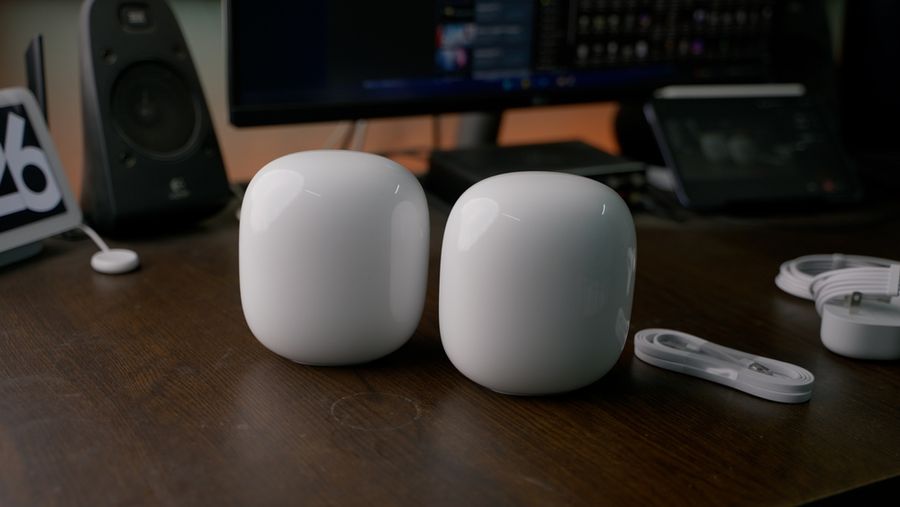
A strong and reliable Wi-Fi connection is essential for daily life, from working at home to streaming and online learning. Many households in the United States struggle with weak signals in certain rooms, often called “dead zones.” Mesh network systems offer a simple way to improve coverage by using multiple devices to spread Wi-Fi evenly throughout the home. With the right setup, you can create a fast and stable connection in every room without complicated wiring.
What a Mesh Network System Is
A mesh network system uses a main router and additional units, often called nodes, to create one large Wi-Fi network. Instead of relying on a single router, these nodes work together to spread the signal across your home. This helps eliminate weak spots and keeps your connection stable as you move from room to room.
Unlike traditional range extenders, mesh systems create a single network name. This means your devices connect automatically to the strongest signal without needing to switch between networks. This seamless connection makes mesh systems easier to use and more reliable for everyday tasks.
Choosing the Right Mesh System
Selecting the right mesh system depends on the size of your home and the number of devices you use. Popular options include systems like the Eero 6+ and TP-Link Deco X55. These models are known for strong coverage and easy setup.
When choosing a system, consider coverage range and device capacity. Larger homes may need more nodes to ensure full coverage. It is also important to check compatibility with your internet service and modem. Picking a system that matches your needs will help you avoid slow speeds and connection issues.
Placing Nodes for the Best Coverage
Placement is one of the most important parts of setting up a mesh network. The main router should be placed near your modem, usually in a central area of your home. This helps distribute the signal more evenly.
Additional nodes should be placed between the main router and areas with weak coverage. Avoid placing them too far apart, as they need a strong connection to each other. It also helps to keep nodes away from thick walls, metal objects, or large appliances, as these can block signals. Proper placement can greatly improve overall performance.
Reducing Interference and Signal Issues
Many common household items can interfere with Wi-Fi signals. Devices like microwaves, cordless phones, and even large TVs can weaken your connection. To reduce interference, place your mesh nodes in open areas and away from these devices.
Using the right frequency band can also help. Most mesh systems support both 2.4 GHz and 5 GHz bands. The 2.4 GHz band covers longer distances but may be slower, while the 5 GHz band offers faster speeds over shorter distances. Mesh systems often switch between these bands automatically to maintain the best connection.
Using App Controls and Features
Most modern mesh systems include mobile apps that make setup and management easy. These apps allow you to monitor your network, check device connections, and adjust settings. Some systems also include features like parental controls, guest networks, and device prioritization.
Device prioritization, often called Quality of Service (QoS), lets you give more bandwidth to important tasks, such as video calls or streaming. This ensures smoother performance when multiple devices are in use. Learning how to use these features can help you get the most out of your system.
Expanding Your Network Over Time
One of the advantages of mesh systems is their ability to expand. If you notice weak coverage in certain areas, you can add more nodes to improve the signal. This makes mesh networks flexible and suitable for growing households.
Adding nodes is usually simple, as most systems guide you through the process in the app. This allows you to adjust your network as your needs change, without replacing your entire setup. Over time, this flexibility can help maintain strong and reliable coverage.
Stronger Wi-Fi Across Your Home
Mesh network systems provide a practical way to improve Wi-Fi coverage and eliminate dead zones. By choosing the right system, placing nodes carefully, and using built-in features, you can create a stable and fast connection throughout your home.
These systems are designed to grow with your needs, making them a smart long-term solution. With proper setup and maintenance, you can enjoy reliable internet access in every room.