

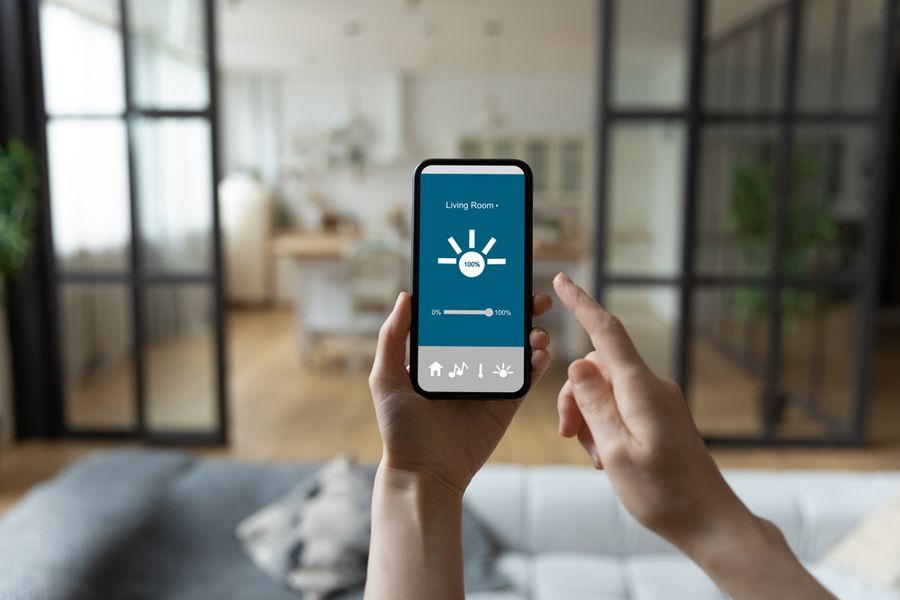
Building a smart home no longer requires expensive equipment or complex installations. Many affordable Internet of Things (IoT) devices allow homeowners to automate lighting, control appliances, and improve security with simple setups. American households can start small and expand over time without overspending. With a clear plan and the right devices, it is possible to create a smart home system that is both practical and easy to manage.
Start With a Smart Hub or Voice Assistant
The foundation of any smart home system is a central control device. This is usually a smart speaker or voice assistant that connects your devices and allows you to control them with voice commands or a mobile app. Popular options include Amazon Echo devices or Google Nest speakers.
These hubs act as the main control center, allowing you to connect lights, plugs, and other smart devices. Many newer devices also support the Matter standard, which helps different brands work together more easily. This makes it simpler to build a system without worrying about compatibility issues.
Starting with a hub gives you a clear base to build on and keeps your system organized from the beginning.
Add Smart Lighting for Instant Impact
Smart lighting is one of the easiest and most noticeable upgrades. Smart bulbs and light strips allow you to control brightness, color, and schedules using your phone or voice assistant. You can set lights to turn on automatically when you arrive home or dim in the evening.
Budget-friendly smart bulbs now offer strong performance and wide compatibility with major platforms. Many also support automation, such as turning on when motion is detected.
This step is often recommended as a starting point because it is simple to install and provides immediate benefits. You can replace just a few bulbs at first and expand later.
Use Smart Plugs to Control Everyday Devices
Smart plugs are one of the most flexible tools in a budget smart home system. They allow you to turn standard devices into smart ones by controlling power remotely. For example, you can schedule a coffee maker, lamp, or fan to turn on at specific times.
These devices are affordable and easy to install, usually requiring only a Wi-Fi connection. Many models also include energy monitoring, which helps you track power usage and reduce waste.
Smart plugs are a great way to expand your system without replacing existing appliances. They provide a simple way to automate daily routines with minimal effort.
Add Security With Smart Cameras and Sensors
Security is another area where budget IoT devices can make a big difference. Smart cameras allow you to monitor your home remotely through a mobile app. Many models include motion detection, night vision, and alerts that notify you of activity.
In addition to cameras, you can add simple sensors for doors, windows, or motion. These devices can trigger actions, such as turning on lights when movement is detected. Budget-friendly cameras and sensors now offer strong performance without requiring a large investment.
Adding these features increases both safety and awareness, making your home feel more secure even when you are away.
Build Automation With Simple Routines
Once your devices are connected, you can create routines that automate multiple actions at once. For example, a “morning routine” might turn on lights, start a coffee maker, and play music. An “away routine” could turn off lights and activate security devices.
Most smart home apps allow you to create these routines easily. Automation is one of the main benefits of a smart home system because it saves time and reduces manual tasks. Starting with simple routines helps you learn how your system works and makes daily life more convenient.
Expand Gradually Without Overspending
One of the best ways to build a smart home on a budget is to expand slowly. Instead of buying everything at once, start with a few key devices and add more over time. Many budget devices now offer 80 to 90 percent of the features found in premium products, making them a practical choice for most households.
You can also focus on one room at a time. For example, begin with your living room, then move to the bedroom or kitchen. This approach keeps costs manageable and helps you build a system that fits your needs.
A Smarter Home Without the High Cost
Building a smart home system with budget IoT devices is easier than ever. By starting with a central hub, adding smart lighting and plugs, and expanding into security and automation, you can create a connected home step by step.
Modern devices are more affordable and compatible than in the past, making it possible to build a reliable system without overspending. With a thoughtful approach, your smart home can grow into a useful and efficient part of your daily life.