

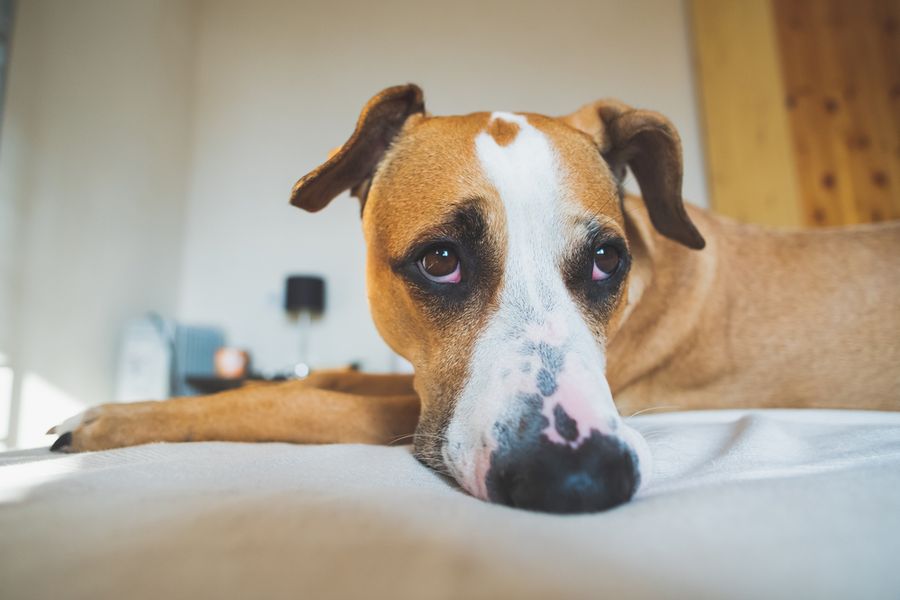
Separation anxiety is a common issue for many dogs, especially when they are left alone for long periods. It can lead to behaviors like barking, chewing, pacing, or trying to escape. Atypical behaviors are not signs of disobedience but signs of stress. The good news is that with the right approach, you can help your dog feel more secure. By using steady routines and simple training methods, you can reduce anxiety and improve your dog’s daily comfort.
Build A Consistent Daily Routine
Dogs feel more secure when they know what to expect. A consistent daily routine helps reduce anxiety by creating a sense of stability. Feeding, walks, playtime, and rest should happen around the same time each day. This predictability helps your dog understand that you will return after leaving.
Before you leave the house, try to include a short walk or play session. This helps burn off energy and makes your dog more likely to rest while you are gone. When routines stay steady, your dog begins to feel less uncertain and more relaxed during alone time.
Practice Gradual Departures And Returns
Leaving your dog alone for long periods too quickly can increase anxiety. A better approach is to train your dog to handle short absences first. Start by leaving for just a few minutes and then return calmly. Slowly increase the time you are away as your dog becomes more comfortable.
It is also important to keep your departures and arrivals low-key. Avoid making a big fuss when you leave or come back, as this can increase emotional reactions. Calm behavior shows your dog that coming and going is a normal part of daily life, not something to worry about.
Create A Safe And Comfortable Space
Giving your dog a designated space can help them feel secure when you are not home. This could be a crate, a quiet room, or a specific area with their bed and favorite toys. The goal is to create a place where your dog feels calm and protected.
Adding familiar items like a blanket or a piece of clothing with your scent can also help. Some dogs respond well to background noise, such as a television or soft music, which can make the environment feel less empty. A safe space provides comfort and reduces stress during your absence.
Use Interactive Toys And Mental Stimulation
Keeping your dog mentally engaged can help reduce anxiety. Interactive toys, puzzle feeders, and treat-dispensing toys give your dog something to focus on while you are away. These activities can distract from feelings of loneliness and make time pass more easily.
Rotating toys can also keep things interesting. When dogs have access to new or different items, they are more likely to stay engaged. Mental stimulation is just as important as physical exercise and can play a key role in reducing anxious behavior.
Avoid Punishment And Focus On Positive Training
Dogs with separation anxiety are not acting out on purpose. Punishing them for behaviors like chewing or barking can increase fear and make the problem worse. Instead, focus on positive reinforcement and reward calm behavior.
When your dog remains relaxed during short absences, reward them with praise or a treat when you return. Over time, this helps them associate being alone with positive outcomes. A calm and patient approach builds trust and encourages better behavior.
Consider Professional Support When Needed
In some cases, separation anxiety can be severe and may require extra help. Professional dog trainers or behavior specialists can provide structured plans tailored to your dog’s needs. These experts can identify triggers and guide you through step-by-step training.
Your veterinarian may also offer advice or rule out other issues that could affect your dog’s behavior. Seeking support is not a sign of failure. It is a practical step that can lead to better results and improve your dog’s quality of life.
Maintain Regular Exercise And Social Interaction
Regular exercise is essential for managing anxiety in dogs. A dog with too much energy is more likely to feel restless and stressed when left alone. Daily walks, playtime, and social interaction help release that energy in a healthy way.
Spending quality time with your dog when you are home also strengthens your bond. This connection helps your dog feel more secure overall. A well-exercised and socially engaged dog is often calmer and better able to handle time alone.
Supporting Your Dog With Patience And Consistency
Managing separation anxiety in dogs takes time, patience, and a steady approach. By building routines, practicing gradual departures, and creating a safe environment, you can help your dog feel more comfortable when alone.
Adding mental stimulation, regular exercise, and positive training further supports their progress. With consistent effort, most dogs can learn to stay calm and confident, leading to a happier and more balanced life for both you and your pet.