

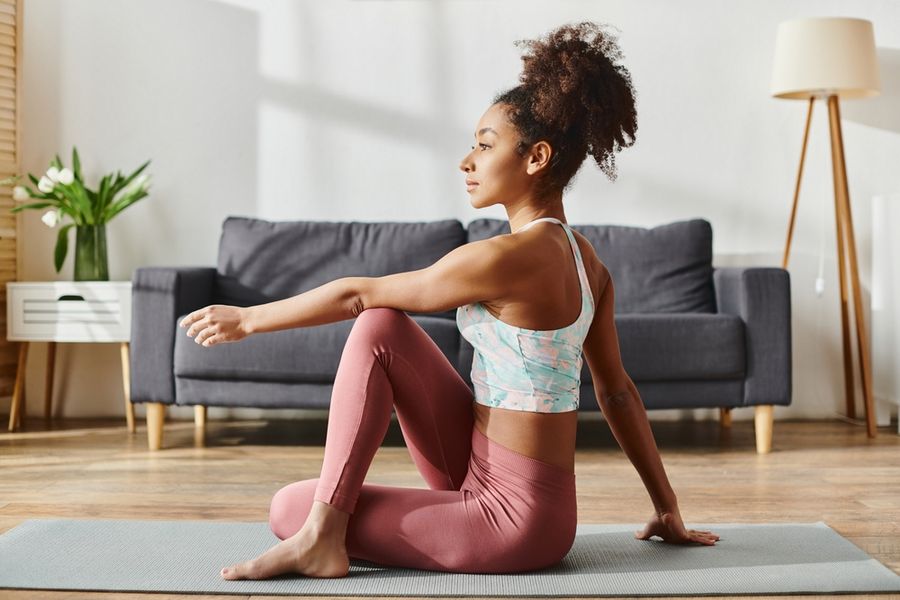
Creating a home yoga space can make it much easier to stay consistent with your practice. Instead of traveling to a studio, you can build a calm and simple area that supports daily movement and relaxation. A well-planned setup does not require a large room or complex gear. With a few essential items and thoughtful choices, you can create a space that feels comfortable, focused, and easy to use every day.
Choosing the Right Space in Your Home
The first step is finding a quiet and open area where you can move freely. This could be a corner of your living room, a spare bedroom, or even a section of your bedroom. The key is to have enough room to stretch your arms and legs without hitting furniture. Natural light can also improve the feel of the space, making it more inviting and calming.
It helps to keep the area clean and free of clutter. A simple layout allows you to focus on your movements without distraction. If possible, choose a spot that you can use regularly so your yoga practice becomes part of your daily routine. Over time, this space will feel more familiar and supportive.
Selecting a Quality Yoga Mat
A good yoga mat is the most important piece of equipment for any home setup. It provides grip, support, and comfort during your practice. Popular options like the Manduka PRO Yoga Mat and the Liforme Original Yoga Mat are known for their strong grip and durability. These mats help prevent slipping, which is important for both safety and confidence during poses.
Thickness also matters when choosing a mat. A slightly thicker mat can provide more cushioning for your joints, while a thinner mat offers better stability for balance poses. The right choice depends on your personal comfort and the type of yoga you practice. Investing in a reliable mat can make a big difference in how your sessions feel.
Adding Yoga Blocks and Straps for Support
Yoga blocks and straps are simple tools that can improve flexibility and help you hold poses correctly. Blocks, such as the Gaiam Yoga Block, provide support during stretches and balance poses. They are especially helpful for beginners who may not have full flexibility yet.
Straps, like the Tumaz Yoga Strap, allow you to extend your reach and maintain proper form. For example, they can help you hold stretches without straining your muscles. These tools are easy to use and do not take up much space, making them a practical addition to any home yoga setup.
Creating a Calm and Focused Environment
The atmosphere of your yoga space plays an important role in your practice. Simple touches like soft lighting, a small plant, or a clean floor can make the area feel more peaceful. Some people also use items like candles or essential oil diffusers to create a relaxing environment.
Sound can also affect your experience. Playing calm music or guided sessions can help you stay focused and relaxed. Keeping your space quiet and free from interruptions allows you to fully concentrate on your movements and breathing. Over time, this environment can help reduce stress and improve your overall experience.
Organizing Your Equipment for Easy Access
Keeping your yoga space organized makes it easier to stay consistent. Store your mat, blocks, and straps in a way that is easy to reach. A simple basket, shelf, or wall hook can keep everything in one place without cluttering the area.
When your equipment is ready to use, it removes one more barrier to starting your practice. You are more likely to stick with yoga if you can begin quickly without setting up each time. A clean and organized space also helps maintain a calm and focused mindset.
Building a Space That Supports Your Practice
Setting up a home yoga space does not require a large investment or a perfect room. By choosing a quiet area, using a quality mat, and adding simple tools like blocks and straps, you can create a setup that supports your daily practice.
A calm environment and organized layout make it easier to stay consistent. With time, your yoga space becomes more than just a place to exercise—it becomes a part of your routine that supports both physical and mental well-being.